

Synesthesia for Writers
Synesthesia provides a unique lens through which to explore the human experience in ways both poetic and profound.

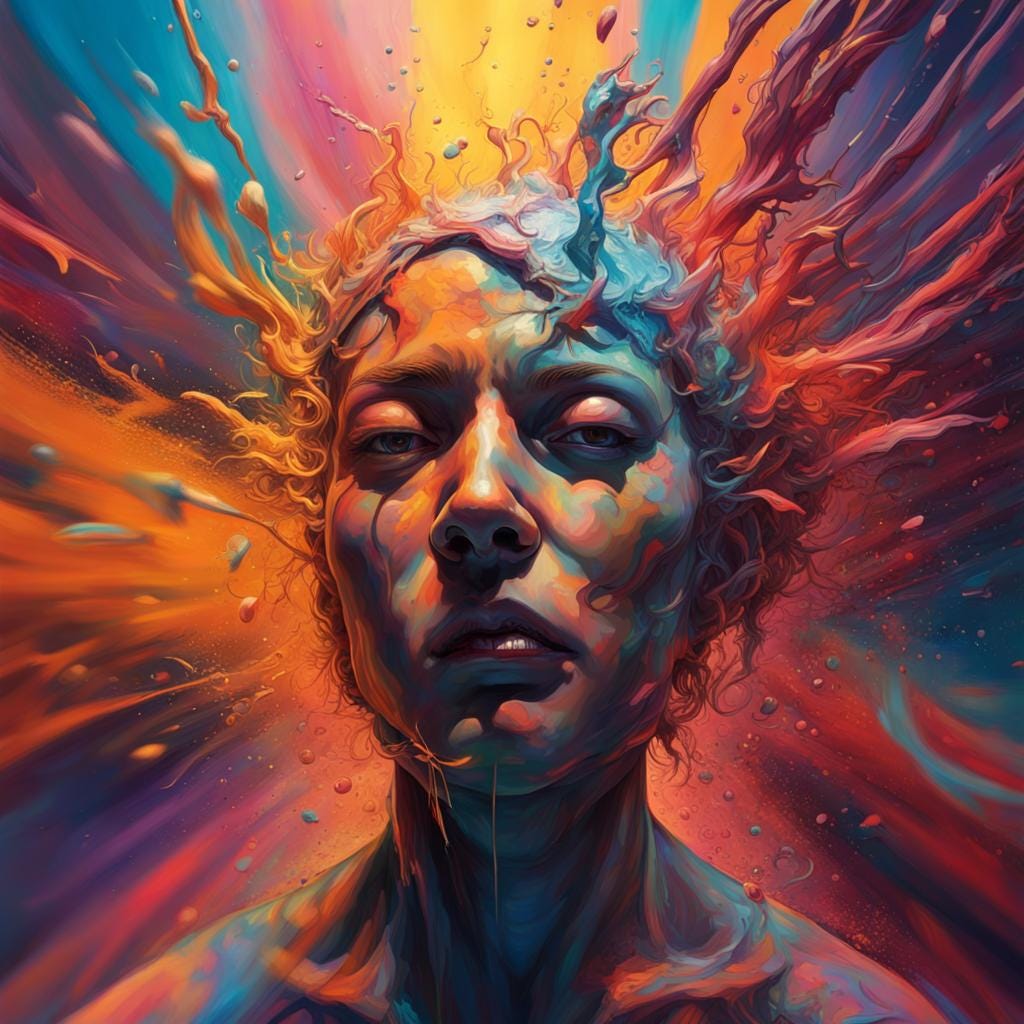
A Kaleidoscope of Senses
Creating Narratives with Synesthesia
Introduction:
Synesthesia, a phenomenon where the senses intertwine and merge, offers writers an enchanting and seldom explored realm. We'll embark on a journey to harness the boundless potential of synesthesia in your writing, whether it's crafting poetry that dances with colors or weaving complex characters with extraordinary sensory experiences.
Understanding the Synesthetic Experience: To craft compelling stories or articles about synesthesia, begin by grasping the profound nature of this sensory fusion. For instance, when writing about a character with auditory-visual synesthesia, delve into their world, where each note transforms into a vibrant hue. Describe how a melancholic melody might envelop them in shades of cerulean, or how a jarring discordance ignites an explosion of crimson and gold in their mind's eye. This understanding lays the foundation for evocative storytelling.
Capturing the Euphoria and Dissonance: Synesthesia isn't just about the beauty of sensory overlap; it's also about the conflicts and challenges it can pose. Describe the ecstasy of tasting words in poetry or feeling the chill of a harmonious symphony. Conversely, illustrate the disorientation when experiencing an overwhelming cacophony or the frustration of witnessing a visual symphony in silence.
Example: "As the pianist's fingers caressed the ivory keys, Emily's senses painted a canvas of emotions. The gentle notes of Debussy's 'Clair de Lune' enveloped her in a soft, lavender embrace, while the discordant dissonance of a rock concert was a frenetic whirlwind of sharp, metallic spikes."
Creating Unique Characters: Utilize synesthesia to infuse depth and authenticity into your characters. Craft protagonists whose synesthetic experiences serve as both a gift and a curse, shaping their personalities and relationships. Perhaps a chef with gustatory-olfactory synesthesia who can taste emotions in every dish, or a painter whose artistry is a symphony of colors and sounds.
Example: "Elena's art studio was a sanctuary of synesthetic magic. With every brushstroke, her canvases came alive, as if her brushes were wands of sensation, choreographing a dance of color and sound."
Blending Senses in Poetry: Poetry becomes an enchanting playground for synesthetic expression. Experiment with metaphors and similes that juxtapose disparate senses, invoking a multisensory experience in your readers. Let words taste like cinnamon, emotions bloom with the fragrance of roses, and music whisper in shades of indigo.
Example: "The laughter of children was a melody of lemonade bubbles, popping with effervescent joy."
Challenging Norms: Use synesthesia to challenge perceptions and norms. Explore how a world where everyone possesses this condition might redefine art, communication, and human connection. Create societies where colors have their own language, and the act of listening to music becomes a visual symphony.
Example: "In Synthoria, a world drenched in synesthetic splendor, lovers exchanged not words but hues, painting the stories of their hearts on each other's souls."
Conclusion:
Incorporating synesthesia into your writing allows you to unlock a mesmerizing realm of sensory wonder. Whether you're crafting poetry that shimmers with sensations or sculpting characters who breathe in a kaleidoscope of senses, synesthesia provides a unique lens through which to explore the human experience in ways both poetic and profound. Embrace this extraordinary condition, and watch your stories bloom in a symphony of sensations.
< The articles that follow expand and explain the above topics>
