

Urban Survival
In a world altered by unforeseen events, the focus often shifts towards wilderness survival. However, understanding how to thrive in the heart of urban landscapes is equally crucial.

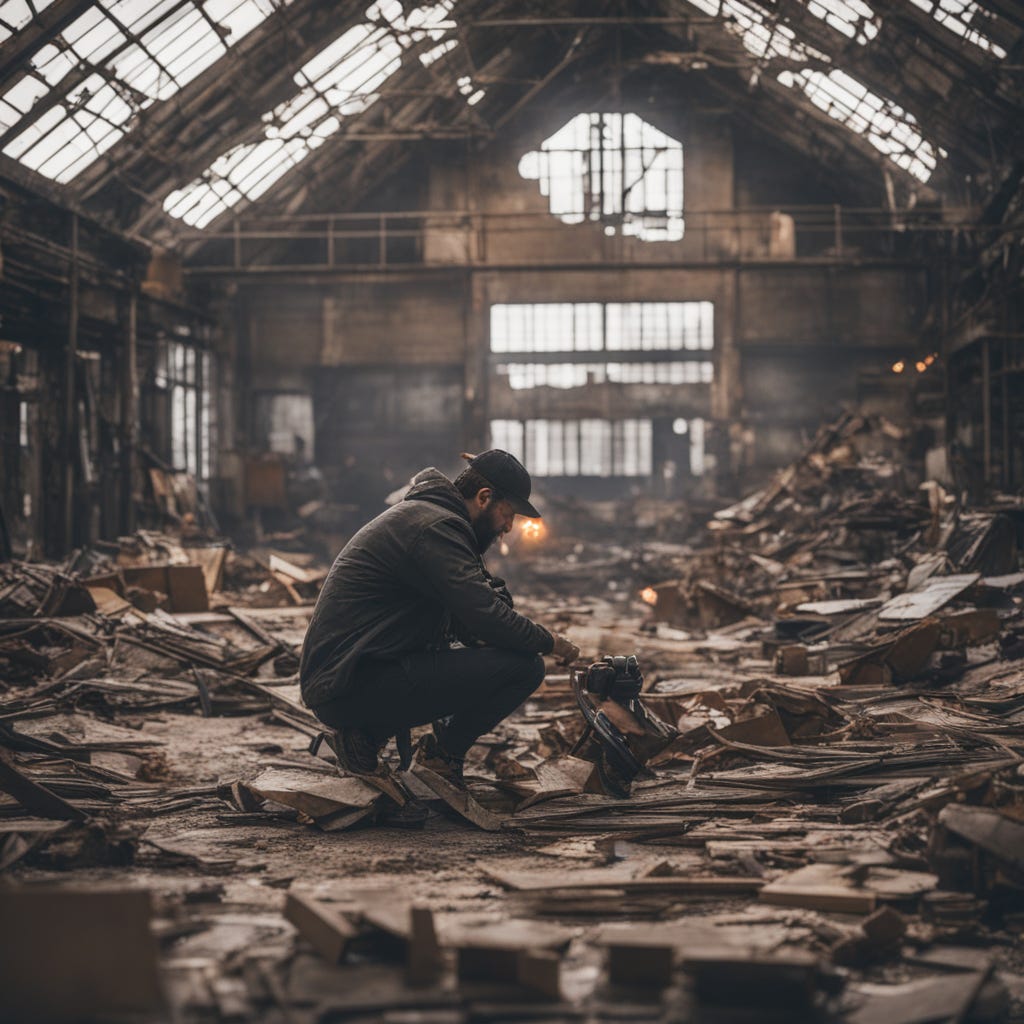
Vital Survival Skills for Urban Environments
Introduction:
In a world altered by unforeseen events, the focus often shifts towards wilderness survival. However, understanding how to thrive in the heart of urban landscapes is equally crucial. In this guide, we delve into essential survival skills tailored for urban environments, where resources are scarce and the challenges are vastly different. From scavenging in abandoned buildings to sourcing clean water, this comprehensive article will equip you with the knowledge needed to navigate the concrete jungle.
Section 1: The Urban Landscape and Its Challenges
The urban environment poses a unique set of challenges for survivalists. Skyscrapers loom over streets that once bustled with activity, now eerily silent. Abandoned vehicles and debris clutter thoroughfares, creating both obstacles and opportunities. Understanding this landscape is the first step to mastering urban survival.
Example: Navigating through these desolate streets requires an eye for detail. Knowing how to read maps, recognize landmarks, and adapt to the terrain is paramount. Consider utilizing back alleys, rooftops, and underground tunnels to avoid potential hazards.
Section 2: Scavenging in Abandoned Buildings
Abandoned buildings serve as potential treasure troves for essential supplies. However, entering these structures requires caution and preparation. Knowing how to scavenge effectively can mean the difference between sustenance and scarcity.
Example: Imagine stumbling upon an old department store. Inside, you might find non-perishable food items, clothing, and even tools that can be repurposed for survival. However, always be wary of unstable structures and potential hazards like broken glass or weakened floors.
Section 3: Sourcing Clean Water
Water is the essence of life, and finding clean sources in urban environments can be a formidable task. Understanding where to look and how to purify it is vital for your survival.
Example: Consider exploring municipal buildings, like schools or government offices, where water tanks may still hold untapped reserves. Purification techniques such as boiling, filtration, or chemical treatment can render water safe for consumption, ensuring your hydration needs are met.
Section 4: Crafting Urban Tools and Implements
Adapting and repurposing everyday items is a hallmark of urban survival. Learning to fashion tools from discarded materials can greatly enhance your chances of success.
Example: A broken chair leg can be sharpened into a makeshift spear for self-defense. Similarly, salvaged wires can be twisted into snares for catching small game. By recognizing the potential in seemingly mundane objects, you elevate your resourcefulness to a whole new level.
Conclusion:
Mastering survival skills in urban environments is a vital aspect of preparedness. Navigating through abandoned streets, scavenging for supplies, sourcing clean water, and repurposing materials are all integral components of thriving in the concrete jungle. By honing these skills, you equip yourself with the knowledge and adaptability needed to face the challenges of post-apocalyptic urban life head-on. Remember, in the heart of the city, resourcefulness is your greatest asset.
<The articles below expand and explore the above sections.>
